

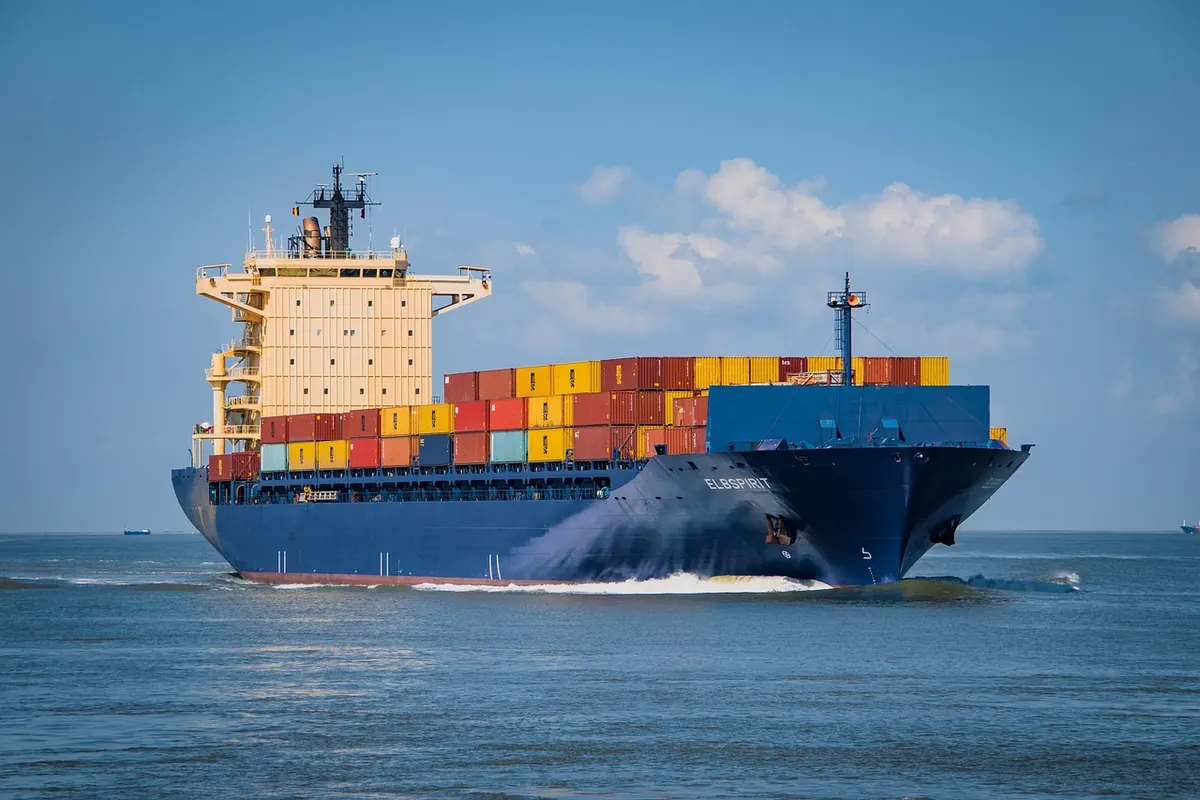
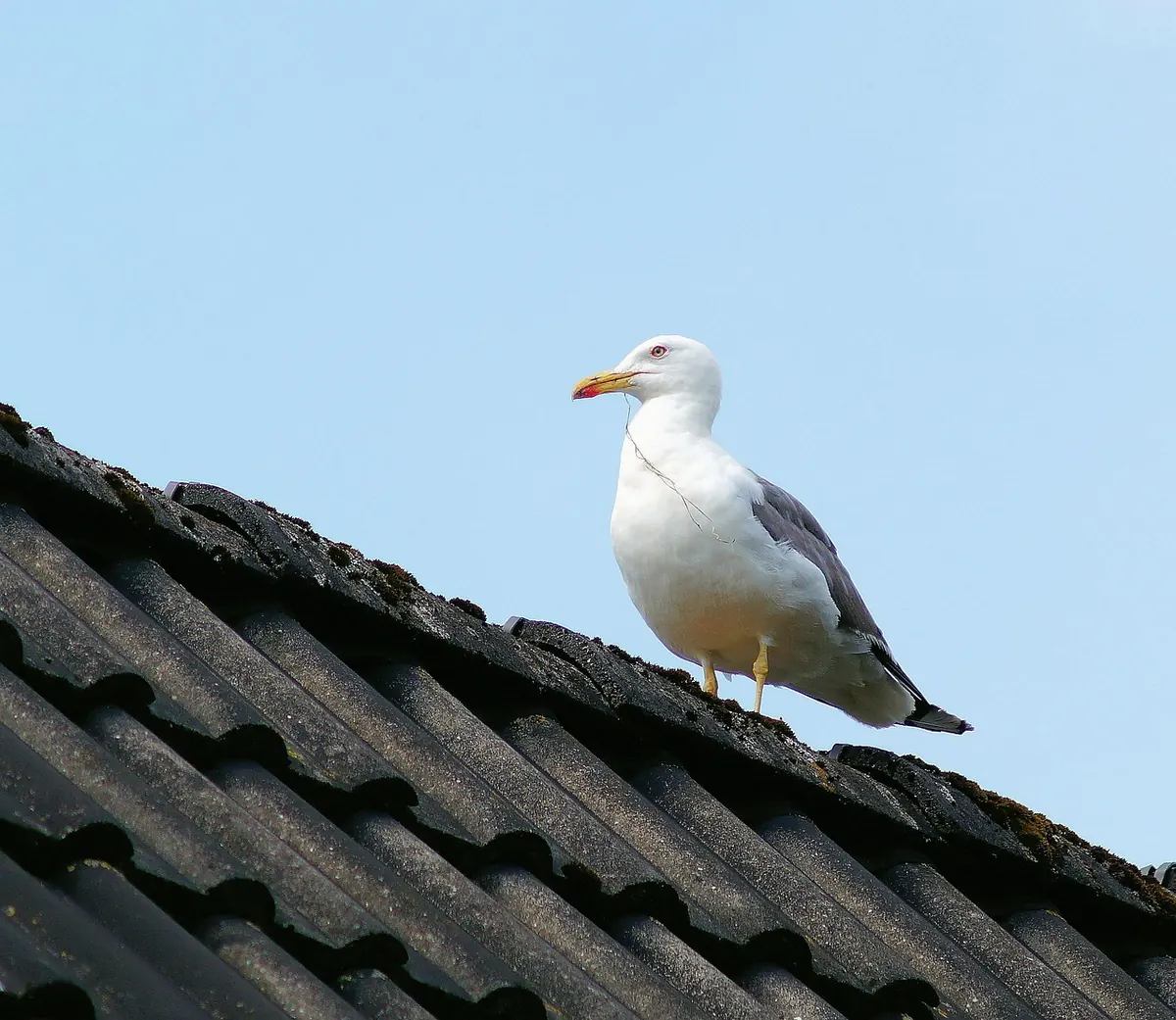
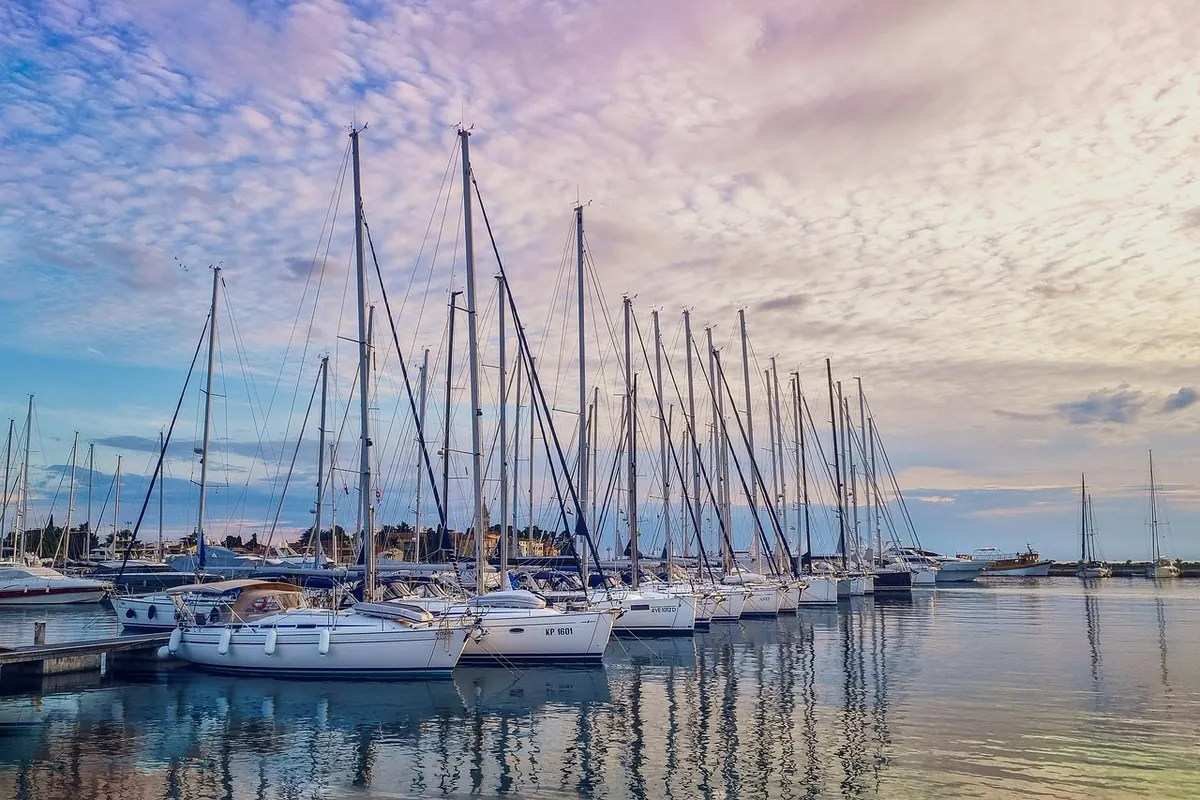
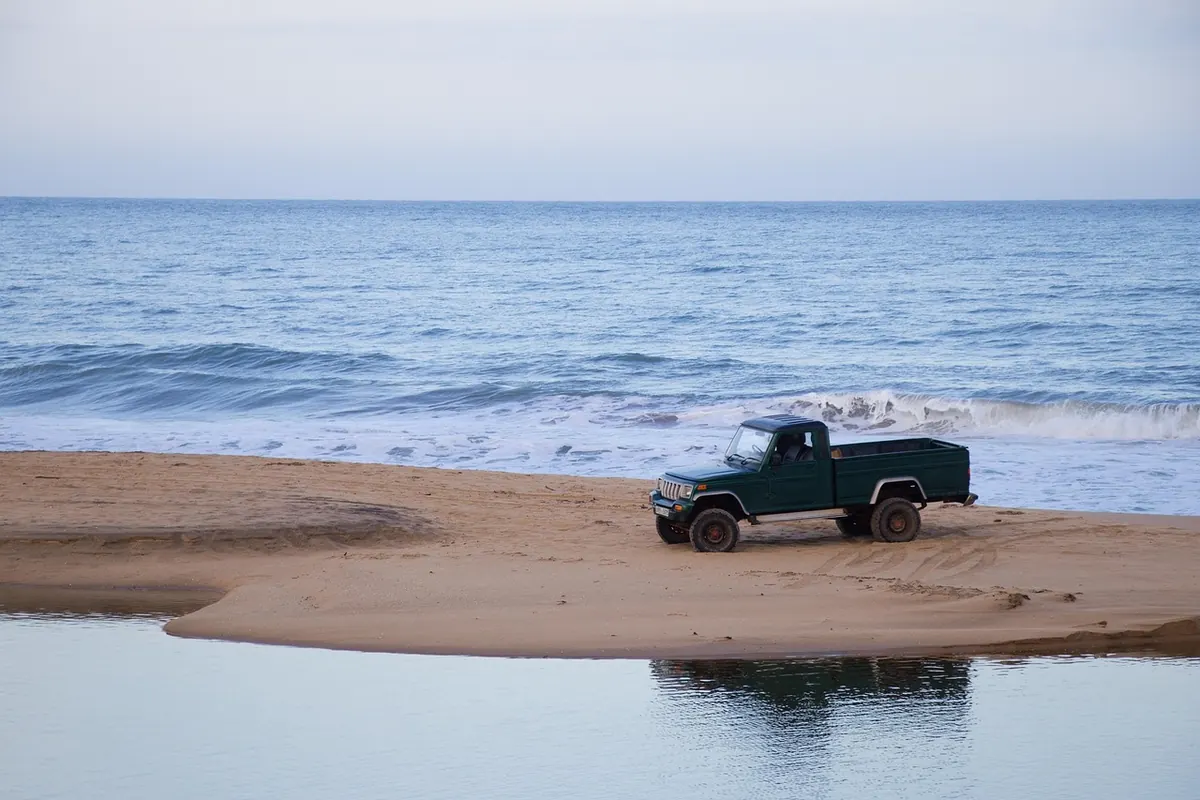
From the deck of a ferry, a working harbor and a marina look like the same thing: masts, water, a breakwater, a few cranes. Step ashore and the difference is instant. One smells of diesel, crushed ice and cold storage. The other smells of sunscreen and fresh varnish. One runs on tide tables and truck schedules; the other runs on somebody's long weekend. Both reward a curious visitor, but they reward different behaviour. Knowing which is which saves you an awkward morning.
Atmosphere: A Factory That Floats
A commercial harbor is a factory that happens to be wet. It starts before dawn, when the first boats come alongside and the ice truck backs down the quay with its reversing alarm echoing off the sheds. Crews work fast, in gloves and rubber boots, and they have usually been awake for hours. Nobody is there to entertain you, and that is precisely what makes it worth watching.
By nine the peak has passed. By early afternoon the same quay can be nearly empty, which surprises people who arrive at noon expecting theatre. If you want the full picture, arrive early and leave before the fish smell gets into your jacket.
A marina is a car park with a social life. Boat owners hose decks, sand teak, coil lines that were already tidy, and stop to talk to whoever passes. There are liveaboards carrying laundry, children on rented paddleboards, a dog asleep on a pontoon. The pace is slow and conversational. You are noticed here, and you are expected to say hello.
Access Rules: Public Quay, Private Pontoon
In a working harbor
Public money built most of these quays, and in many ports you are welcome to walk the outer edge. That welcome normally stops at a painted line, a chain, a gate, or a sign reading Authorized Personnel Only. Ice plants, auction floors, fuel bays and anything under a crane are workplaces first. If you cannot tell whether an area is public, ask at the harbor office, usually a small building near the main gate with an antenna on the roof and a noticeboard of tide times.
In a marina
A marina is a private business run for the people who pay for berths. Visitors are generally welcome on the main walkways, and the office will tell you where you may and may not go. Some marinas sell a day pass or ask you to sign in before you use the showers or the laundry. Ask about a gate code rather than slipping through behind someone; it is both rude and, in some places, a security matter.
- Stay on the marked walkway. Shortcuts across a working quay often cross a crane's swing zone or a truck's blind spot.
- Never step onto a boat unless invited. A hull that looks stable from the dock can roll under your weight, and you are now standing on someone's home.
- Keep hands off lines, fenders, hoses and shore power cables. They are rigged for a reason and re-rigging them is not your job.
- Treat a closed gate as closed. If it was meant to be open, someone would have opened it.
- Ask before photographing people at work. A nod towards your camera and a questioning look costs nothing.
If you want to be thorough, ask in this order:
- Find the harbor or marina office and say plainly that you are visiting, not working.
- Ask which areas are open to the public and where the boundary is.
- Ask whether photography is acceptable, and whether drones are allowed at all, since rules vary by port.
- Ask where you should stand when a boat is manoeuvring.
- Repeat the boundary back to yourself before you wander. It is usually one line of paint.
Photography: Story Versus Surface
The working harbor is the better documentary subject. You get scale and texture: rust blooming through paint, nets stacked in orange heaps, welding sparks at dusk, gulls following a trawler in, the geometry of cranes against a grey sky. Dawn light is soft and the action is real, which is a combination that does not come along often.
Restraint matters more than gear. Crews are not props, and a long lens pointed at a man gutting fish from four metres away is still pointed at a man gutting fish. Ask first, accept a no without sulking, and put the camera down when someone is clearly mid-task and under pressure. Some auction floors and processing areas prohibit photography outright, so check before you raise anything.
The marina is easier and prettier, and slightly less interesting. Reflections in still water, varnished teak, the repeating triangles of rigging, a forest of masts at sunset. Get low, close to the waterline, and use the pontoons as leading lines. A long lens compresses a row of moored boats into a pleasing stack. Just avoid the obvious shot of somebody else's boat name and someone's dinner party, which lands somewhere between dull and intrusive.
Ask first, and ask again before you step aboard. Nobody has ever been annoyed by a second question.
Safety: Where the Real Risks Sit
Neither place is dangerous if you behave like a guest, but the hazards are different. In a working harbor, the risk comes from things that move: forklifts, cranes, trucks reversing without much warning, heavy loads swinging overhead. The ground is uneven, littered with chains and greasy patches, and there is often no railing at the edge because cargo needs to pass. The water is deep, cold, and frequently has a current running through it.
At a marina, the risk is quieter. Docks are slick with algae and morning dew. Cleats and mooring rings sit exactly where your foot lands. Gaps between the pontoon and a hull open and close with the swell, and a boat that is being fended off by hand can crush fingers against a pile. Shore power pedestals and fuel docks have their own obvious rules, and generators running on nearby boats produce carbon monoxide you cannot see or smell.
- Wear shoes with grip. Sandals on a wet pontoon are an invitation to a story you will not enjoy telling.
- Do not sit on bollards, the edge of a quay, or the finger of a dock between two boats.
- Hold children's hands near the water, and keep them away from machinery and from boats being tied up.
- Never try to stop or push a moving boat with your hands or feet. Let the crew handle it.
- Keep well back when anything is being lifted, and never walk between a crane and the water.
Timing Your Visit
For harbors, aim for the first two hours after sunrise on a weekday, and check whether the local fish market has a public viewing area before you build a morning around it. Midday is for coffee and a walk on the outer breakwater. For marinas, late afternoon into early evening gives you the best light and the liveliest docks, while a weekday morning gives you quiet water and empty pontoons. Weekends are crowded and the launch ramp is the least relaxing place in town.
A Simple Way to Decide
Choose the working harbor if you want texture, work and an honest look at how a coast earns its living. Choose the marina if you want comfort, conversation and an easy stroll with a camera. If you have one free day, do both: harbor at dawn, a long breakfast, marina in the late afternoon when the light turns gold. Bring a windproof layer, wear proper shoes, keep your voice down near moored boats, and ask before you photograph or step aboard. Two hours of good manners will get you further along both waterfronts than any guidebook.
Photo: Van3ssa_ / Pixabay