


Walk onto a working quay at six in the morning and you will hear the harbor before you see it: a winch taking up slack, ice sliding into a hold, someone calling a number across the water. This is a place where people are doing their jobs, and visitors are welcome in it — genuinely welcome, in most ports — as long as they read the room. The rules below are not really about permissions on paper. They are the small, practical courtesies that keep a harbor running and keep you clear of a swinging load or a taut line. Learn them once and you can walk almost any quay with confidence.
Read the Rhythm Before You Learn the Rules
Every harbor has hours, and they rarely match the ones on the gate. Along most coasts the fishing fleet moves in the dark and is tied up and quiet by mid-morning; charter boats leave later and return loud; the afternoons belong to the yard crew and the hoist. Spend twenty minutes simply watching before you take out a camera or claim a bench. Where do the forklifts run? Which pontoon has a locked gate? Where does the ice truck stop, and at what time?
You will notice, too, that sound behaves strangely over water. An ordinary speaking voice carries across a hundred meters of flat calm, which is why the quiet zone in a harbor is rarely marked with a sign. It is understood: anywhere within earshot of moored boats, especially before seven in the morning and after nine at night. Keep phone calls short and low on the quay and take longer conversations up to the street. If you are staying aboard, remember that a generator carries further than you think, and a hatch dropped shut at midnight sounds like a door slamming in a bedroom.
Dock Access: Where You Can Walk and Where You Stop
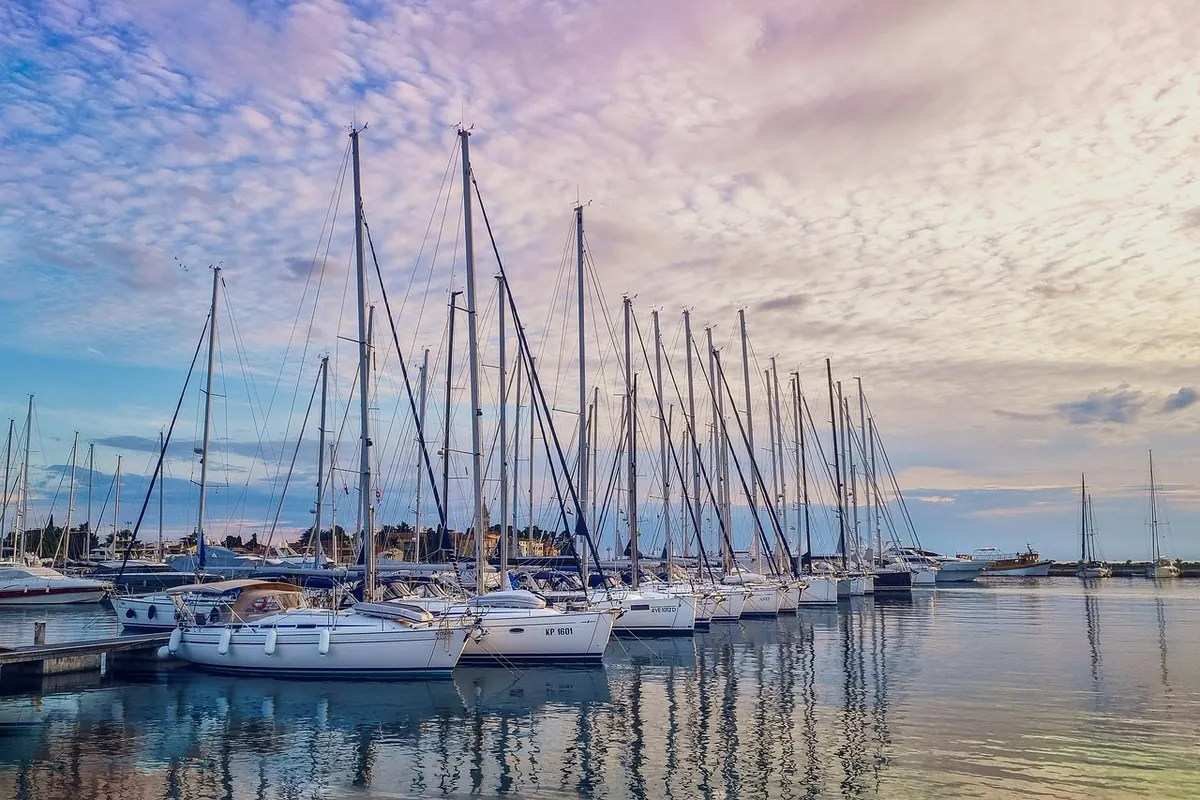
Some quays are public promenades; others are working areas behind gates, and the difference is obvious once you look for it. A keypad, a chain across a ramp, or a sign naming a boatyard all mean the same thing: not this way.
If a gate is standing open, it is still worth asking at the marina office whether visitors can walk the pontoons. Most will say yes; some will say yes to the main walkway but not the finger piers; a few will ask you to stay on the shore side entirely. All three answers are normal, and none of them is personal.
Three habits keep you welcome:
- Do not step onto a boat unless someone clearly in charge has invited you. "Just having a look" is not an invitation, and decks are private space in the way a front garden is.
- Never sit on a bollard, a cleat or a coil of rope. All three are working equipment, and a bollard is exactly where a line will be thrown in a hurry.
- Keep bags, prams and tripods off the walkway. Pontoon planks are narrow, and someone will be carrying something heavy along them within the hour.
Quiet Zones and the People Who Live There
Beyond the moored boats, most harbors have a residential edge: apartments over the chandlery, a couple of liveaboards on the far pontoon, a guesthouse with windows facing the water. The quiet hours there are the same ones you would keep in any courtyard, and they matter more, because sound bounces off hulls and stone. Music goes to headphones. Voices drop on the pontoon after dark. Torches point down at the planks, not into cabins.
A note on drones
Ask at the harbor office before launching one. Local rules vary, and the office will know what applies in that basin. A drone hovering over a boat at seven in the morning reads as surveillance, not scenery, and the reaction will be sharper than you expect.
Photography Etiquette on the Quay
Ask first, particularly when people are in the frame. A nod and a lifted camera usually does it; if someone shakes their head, put the lens down and move on without a debate. Crew unloading a catch at the end of a long shift are not part of the view. If the shot you want needs them in it, ask whether you can come back when they have finished — and be ready to hear no.
A few practical points:
- No flash near boats at night. It ruins night vision, and someone stepping between hulls does not need to be blinded.
- Stay out of the path of the hoist and the forklift. If you can see the operator's face, they can see you. If you cannot, move until you can.
- Do not photograph through cabin windows or down open hatches. A boat interior is a home, however small.
- Think before you publish. Boat names, faces and berth numbers can identify people in a small port. When in doubt, ask.
Staying Safe Around Working Boats
Most harbor injuries to visitors come from three things: lines under tension, moving vehicles, and wet ground. None of them look dangerous until they are.
- Step over lines, never on them. A rope on the ground can go taut in a second, and a taut line can take a foot out from under you or worse.
- Keep clear of the bight — the loop of slack line between a boat and the bollard. Stand outside it, never inside.
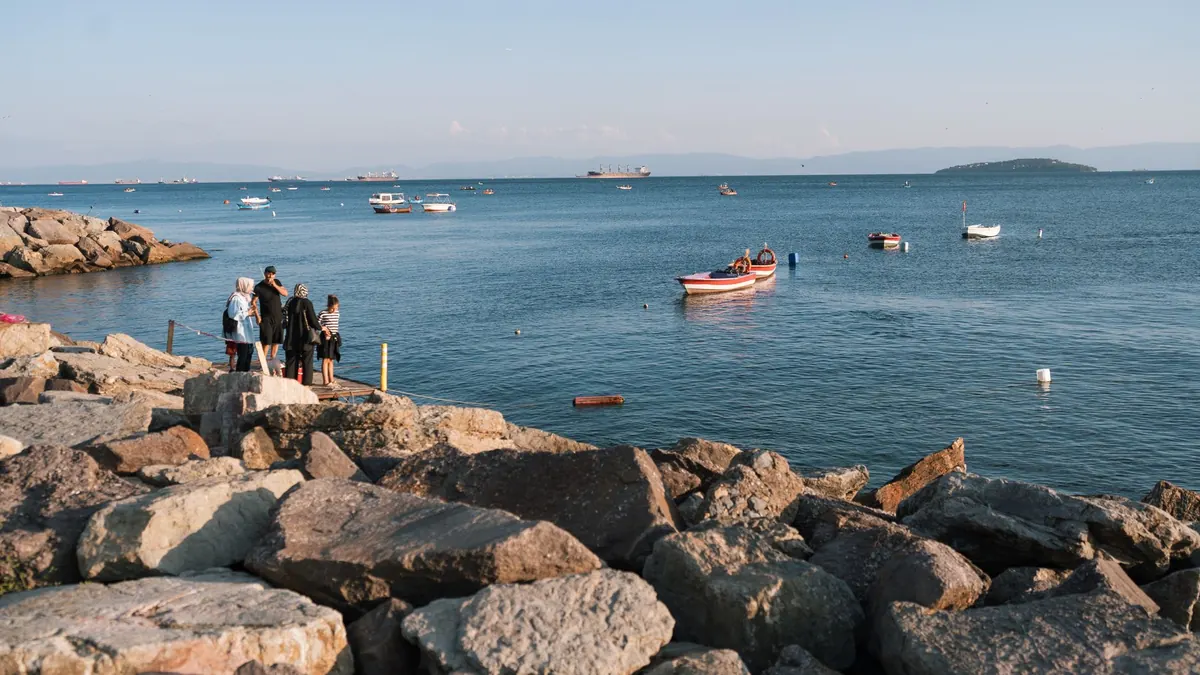
- Leave three meters at the edge when a boat is maneuvering. The gap between hull and quay closes fast and does not negotiate.
- Watch for wet weed, fish slime and oil. Deck shoes or trainers with grip; smooth soles are a bad idea on a slipway.
- Do not "help" unless asked, and if you are asked, take one instruction, do exactly that, then step back.
- Look up. Loads move overhead at the hoist and on the fish quay, and a hard hat area is not a suggestion.
Fuel Docks, Slipways and Other Shared Edges
The fuel berth is a no-loitering zone, full stop: engines running, hoses across the concrete, and no room for a curious bystander. The slipway is similar — keep well clear while a trailer is reversing or a hull is coming out, and never walk behind a trailer you cannot see the driver of. Around the ice house and the fish market, stay out of the trolley lanes and accept that the smell is part of the deal.
If Someone Asks You to Move, Move
It will happen, and it is not rudeness. A crew member with a rope in hand and two minutes to catch a tide does not have time for a conversation. Step back first, ask where you should stand second, and thank them third. The same applies at night arrivals: if a boat is coming alongside, take your torch off the water, keep your voice down, and give them the pontoon.
The Ten Rules, Condensed
- Watch the harbor for twenty minutes before you do anything else.
- Treat gates, chains and keypads as closed, even when open.
- Stay off boats unless invited by someone in charge.
- Keep voices low near moored boats, early and late especially.
- Never sit on bollards, cleats or rope.
- Step over lines, never on them, and stay out of the bight.
- Give the quay edge three meters when boats are moving.
- Ask before photographing people or opening a lens toward a cabin.
- Keep clear of the fuel berth, the hoist and the slipway.
- When asked to move, move first and ask questions after.
None of this requires local knowledge or a permit. It requires attention, which is the one thing every good harbor visitor brings. Watch, ask, step back, and the quay will open up to you in ways a guidebook never manages.
Photo: Sami Abdullah / Pexels